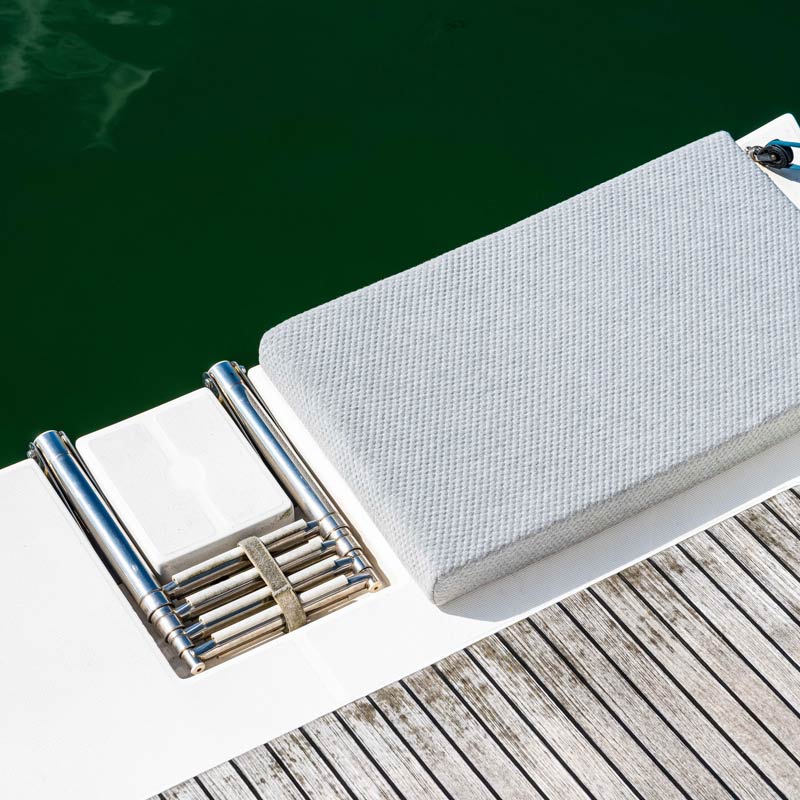
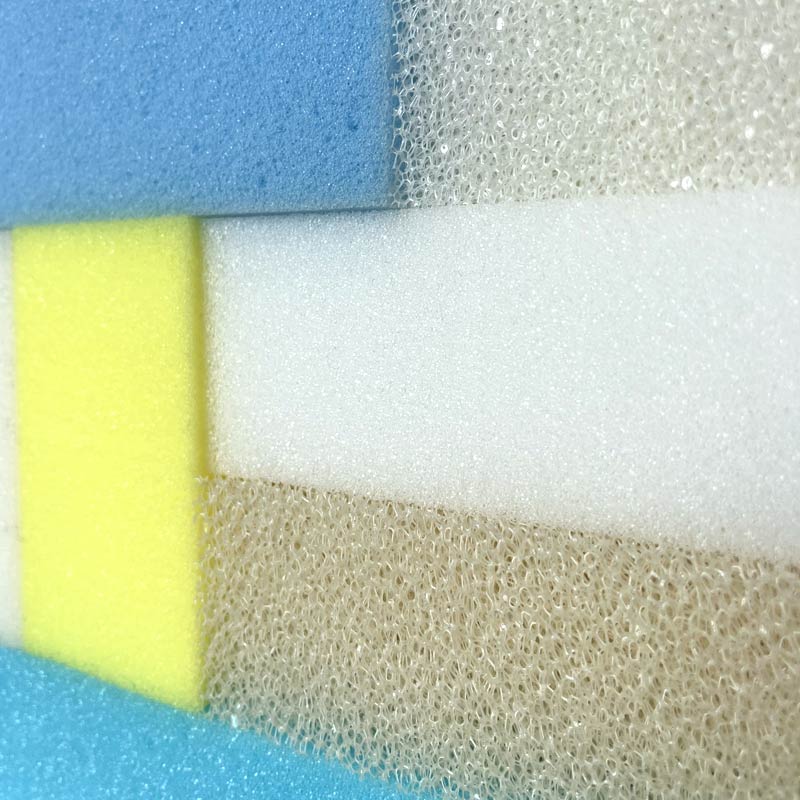
Resistance, aesthetics, comfort, cost and maintenance: find out how to select the best materials for your boat's upholstery.
Exposed to salt, UV rays, humidity and wide variations in temperature, a boat's upholstery is put to the test almost daily by marine conditions. To ensure that your upholstery lasts a long time and remains comfortable, the choice of upholstery should not be left to chance.
What criteria should you use when choosing upholstery materials?
Four factors need to be taken into account when selecting the coverings best suited to your boat and its use.
1. Usage and frequency of use
A boat that is used occasionally for private purposes, regularly hired or operated for professional purposes needs materials that meet very different requirements in terms of robustness and resistance to rubbing, stains, etc.
2. Exposure to the elements
OutdoorResistance to repeated aggression (UV, humidity, salt, mould, thermal shock) is a key factor in the success of our products. overriding criterion to stand the test of time, at sea and in winter.
IndoorsWhen it comes to interior design, materials first and foremost have to withstand the daily wear and tear of repeated rubbing and pressing. However, interior spaces are also subject to significant stress, such as heat variationsthe condensation and radiation.
3. Aesthetics and comfort
Visual appeal, finish, texture, feel and comfort: upholstery that's both pleasing to the touch and aesthetically pleasing. in harmony with the style of the boatThis will help to improve the comfort and image of the site.
In terms of seating, the breathability of textiles and their ability not to stick to the skin (even in very hot weather) will be essential to guaranteeing a high level of comfort. optimum comfort in all situations.
4. Maintenance and durability
This parameter is crucial in the case of intensive use, whether for private or rental purposes. The choice of a easy-care upholstery will save time each time they are cleaned, drastically reduce maintenance costs and extend their lifespan. For rental use, it is essential to choose materials that are resistant to both frictionto stains (sunscreens, beverages and mould), to the discoloration caused by UV rays and cleaning products.
For example, coated fabrics such as marine imitation leather are easy to clean because of their smooth, waterproof surface. On the other hand, certain high-end materials such as leather require more delicate care.
⚠ To find out morediscover our maintenance tips for your nautical upholstery.
Upholstery materials and coverings: detailed specifications
Marine acrylic canvas (Sunbrella type)
Tinted throughout, the acrylic canvas combines resistance and elegance. Excellent UV resistance, it retains the brilliance of its colours for a long time. Its water-repellent treatment provides good protection against moisture and stains, while allowing the fabric to breathe, which limits condensation.
Unlike traditional 'stiff' technical fabrics, brands such as Sunbrella or Agora for example, offer a supple fall and a pleasant, warm textile feel, with hundreds of colours, textures (plain, mottled, jacquards) and weights. This opens the door to mixed use, allowing you toadapt your upholstery to all styles, from classic to contemporary.
➥ Recommended both for spaces interiors and outdoor.
Marine imitation leather
Le marine imitation leatherwhich has a PVC or Polyurethane (PU) coating on the fabric, is a a must for all nautical upholsterers. Thanks to its smooth appearance and excellent waterproofing, imitation leather is both easy to clean and particularly resistant to salt water and sun cream stains.
Properly chosen, with an anti-UV and antifungal treatment, the imitation leather will retain its qualities for many seasons to come, as long as it is used correctly. regular maintenance and avoiding abrasive products.
Le imitation leather Surfaces most exposed to the sun tend to heat up quickly, so they need materials that have been specifically developed to stay cool to the touch. The ranges PermaCool from Spradling or KoolFab from Morbern use, for example, reflective treatments that considerably reduce heat absorption, offering greater thermal comfort, even in direct sunlight.
➥ Recommended at interior as in exterior (cockpit benches, helmsman's seat, deck upholstery).
Woven polyester and polypropylene fabrics
The polyester and polypropylene fabrics are synthetic materials with a pleasant feel, woven in classic structures such as plain weave or twill. Available in a wide range of colours and patterns, these fabrics offer an elegant, user-friendly look.
However, compared with acrylics, these fabrics generally offer less resistance to UV and humidity. For this reason, they are more suitable for indoor use or in sheltered outdoor areas. By opting for specific UV and damp-proofing treatments and ensuring regular maintenance, their initial appearance will be significantly prolonged.
➥ Recommended first and foremost for spaces interiorsbut compatible for use in exterior sheltered.
Openwork technical fabric (Batyline type)
The woven technical fabrics are generally made from synthetic polyester yarns coated with PVC, offering a good compromise between strength, comfort and ease of maintenance. These materials are particularly appreciated for their UV and moisture resistance. The range Batyline from Serge Ferrari is highly appreciated for its robustness, easy cleaning and excellent durability. This type of canvas is ideal for sunbathing, deck seating or as an anti-roll canvas.
Some variants, such as the Kizuna Checker from SpradlingThese fabrics have a softer, more comfortable feel. These technical fabrics combine performance and aesthetics, effectively meeting the demands of the most demanding marine environments.
➥ Recommended at interior and outdoors, often used for furniture exterior garden elsewhere
Materials to avoid in nautical upholstery
Materials composed of natural fibressuch as cotton and linen, are fragile and permeable. As a result, they are prone to mould, staining and even tearing. What's more, their low UV resistance means that they deteriorate rapidly under the effect of the sun. Despite their attractive appearance and pleasant feel, we strongly advise against using them in a marine environment.
Comparison of marine upholstery coverings
Below you will find a summary comparison of different materials to help you choose easily.
| Material | UV resistance | Waterproofing | Maintenance | Recommended use |
|---|---|---|---|---|
| Marine acrylic canvas (Sunbrella type) | Excellent | Very good (water-repellent treatment) | Easy (regular cleaning recommended) | Interior and exterior |
| Marine leatherette | Very good (with specific treatment) | Excellent | Very easy (avoid abrasive products) | Interior and exterior |
| Polyester or polypropylene fabrics | Good (treatment recommended) | Average (recommended treatment) | Easy (regular maintenance recommended) | Mainly indoors. Outdoor possible. |
| Openwork technical fabrics (Batyline type) | Excellent | Very good | Very easy | Interior and exterior |
To make the right choice, it's essential to clearly define the characteristics of your boat and its use. Many brands now offer materials with specific technical characteristics (anti-UV treatments, thermoregulation, mechanical resistance, etc.), which should be studied in detail. And don't hesitate to contact a nautical saddlery professional.
To help you make the right choice, the performance of fabrics is measured by specific standards. To find out more, read our dedicated article technical standards for nautical saddlery.
Your projet
Are you a professional (interior designer, architect, shipyard, manufacturer, brand, designer…) with a specific requirement? Our team supports you in designing tailored solutions, including benches, cushions, custom layouts, textile furniture, and more.