Wear, stains, discolouration, cracks, mould: regular maintenance of your boat can slow down the effects of the daily stresses suffered by its upholstery. In this detailed guide, you'll find the best boating practices for maintaining your interior and exterior upholstery, such as your cushions, benches, mattresses and covers, effectively and over the long term.
Why is marine upholstery maintenance essential?
Whether outdoors or indoors, saddlery is exposed to a wide range of stresses that all yachtsmen and professionals need to bear in mind:
- L'humidity encourages mould growth, particularly in poorly ventilated areas.
- Le salt attacks textile fibres and zips.
- The UV discolour fabrics and weaken coatings.
- La heat accelerates the ageing of coatings.
- The temperature variations create condensation and deform foams.
- The repeated rubbing accelerate the degradation of coatings.
- The greasy spots (sun cream, for example) mark the tissues by penetrating the fibres.
Maximising the life of your upholstery requires regular maintenance tailored to each material, to keep it clean, healthy and comfortable throughout the seasons.
The most common materials used in nautical upholstery
First and foremost, it is essential to identify the materials for your upholstery. The most common are :
- The marine acrylic canvases (e.g. Sunbrella): UV-resistant and water-repellent.
- Le marine imitation leather Aesthetic, easy to maintain, but sensitive to abrasive products.
- The technical fabrics breathable, water-repellent or anti-microbial.
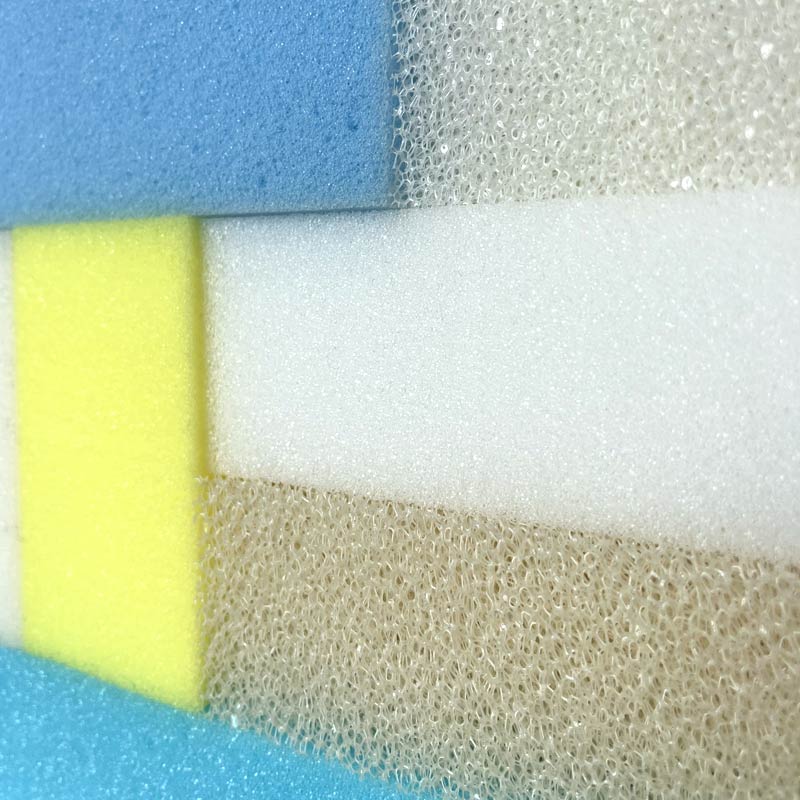
- The foams which must be dried quickly in the event of infiltration.
Each material will require appropriate care: the wrong method or a lack of regularity could alter their appearance or their lifespan.
Cleaning and maintenance: best practice
Implementing a simple, regular routine will help to maintain the condition and comfort of your upholstery throughout the seasons. Let's take a look at some good maintenance practices.
1. Dust removal and ventilation
Accumulations of sand, salt and dust encourage clogging, abrasion and mould. Before you think about cleaning, there are two things you should do on a regular basis:
- Vacuum cushions and backrests to remove any residue and brush them with soft, non-abrasive brushes.
- Ventilate regularly interior spaces, which are susceptible to condensation, and air your cushions to prevent moisture build-up.
2. Washing covers and fabrics
A gentle, regular maintenance will prevent greasy stains (such as sun cream) from becoming permanently embedded in the fibres.
- Use warm water and mild soap, such as black soap or Marseille soap.
- Apply with a sponge or soft, non-abrasive brush.
- Rinse thoroughly with clean water to remove salt and residue.
- Air dry, preferably in the shade.
⚠ Products to avoid Bleach should only be used on fabrics that have been specifically designed to withstand it. Bleach should only be used on fabrics specifically designed to withstand it. Always check the manufacturer's recommendations before use.
3. Disinfection
To prevent the growth of mould and bacteria, clean surfaces with a damp cloth. specific disinfectant spray for nautical upholstery. Leave the product to work for a few minutes and wipe dry.
Good ventilation and thorough drying after each cleaning are necessary to prevent the return of mould.
If mould or stubborn stains appear, certain coverings like Sunbrella fabrics can be treated with bleach-based products. To do this, carefully protect surrounding surfaces to prevent the bleach from discolouring them. After application, rinse the fabric thoroughly with clean water. Note that reprocessing the fabric with a water and stain repellent will be necessary after this type of treatment. However, always use solutions developed for marine textiles.
Seasonal maintenance: preparing for rest periods
To cope better with periods of inactivity, careful maintenance is essential before wintering and when it is put back into service at the start of the season.
Before wintering
- Clean all surfaces and allow to dry completely.
- Nourish surfaces, especially the most exposed, with milk for imitation leather and waterproofing for textiles.
- Protect external elements with protective covers.
- Cover interior elements, such as bench seats, with fabric. This will limit the impact of condensation and natural light if the boat is not stored away from the sun.
At the start of the season
- Ventilate the interior and removable parts, such as cushions and benches, and inspect all your upholstery, right down to the seams and fastenings.
- Lightly dust all coverings.
- If necessary, re-nourish leatherette and re-waterproof water-repellent fabrics.
Recommended products for marine upholstery
- Natural mild soap Marseille soap or liquid black soap.
- Nautical textile cleaner The formula is designed to respect fibres and water-repellent treatments.
- Textile waterproofing for greater resistance to water and stains.
- Creams for imitation leather : maintaining flexibility and appearance.
- Bicarbonate of soda Effective against odours.
⚠ What you need to know If in doubt, always carry out a test on a small area before applying to the whole area.
Mistakes to avoid
- Leaving upholstery damp for long periods.
- Scrub with abrasive brushes.
- Use solvents or bleach on non-compatible fabrics.
- Store items that are still wet in airtight plastic.
- High-pressure cleaning directly on fabrics.
- Remove the dust from your foam elements and dry them in the sun. They are very sensitive to UV exposure.
A few tips to extend the life of your equipment
- Oil or grease the zips with a special marine lubricant.
- Always rinse after use at sea to remove salt residue.
- Favour shaded or covered areas during the winter and when mooring for long periods. Or provide protective covers for the most exposed parts: cockpit, sunbeds and outside seating.
Draw up a monthly and annual maintenance plan
Through the seasons, we recommend drawing up a regular maintenance planIt's the right choice for your use and the characteristics of your boat.
Monthly maintenance :
- Check for mould or odours.
- Dust and vacuum the cushions.
- Clean up any spills or stains immediately.
Annual maintenance :
- Complete cleaning of all covers.
- Waterproofing and/or nourishing treatment depending on the material.
- General overhaul of seams, foam and fabrics.
- Storage or reconditioning for winter if required.
- Updating the maintenance plan in line with your requirements and changing usage patterns.
Your projet
Are you a professional (interior designer, architect, shipyard, manufacturer, brand, designer…) with a specific requirement? Our team supports you in designing tailored solutions, including benches, cushions, custom layouts, textile furniture, and more.